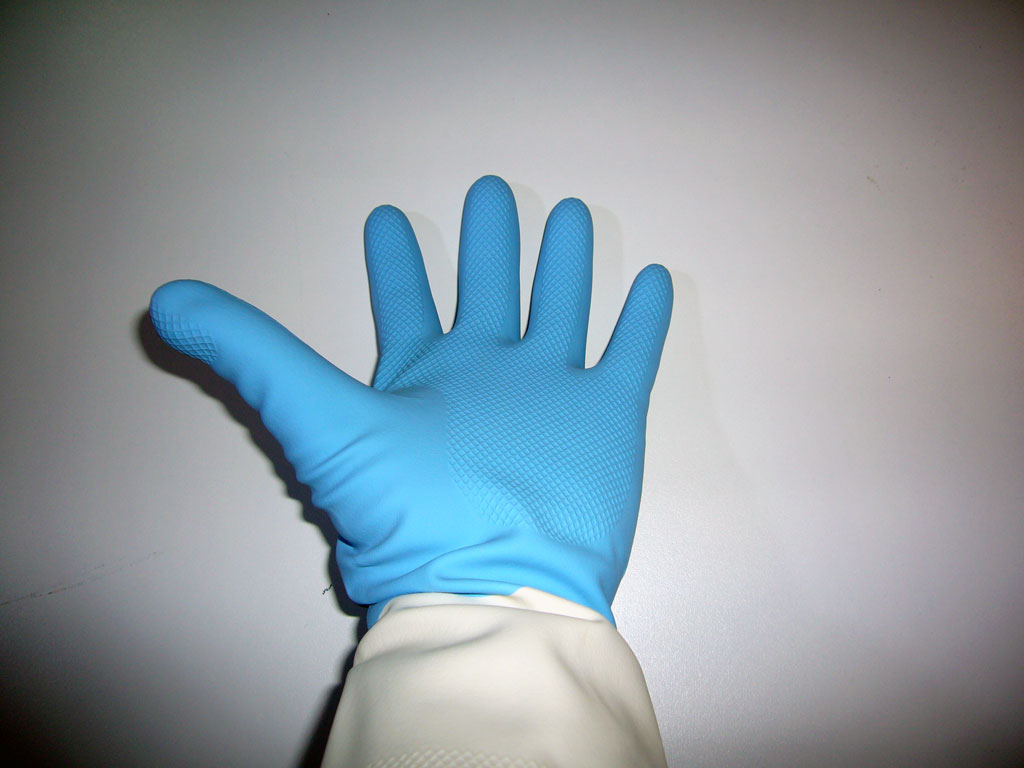
In environments where hygiene and safety are paramount, nitrile gloves stand as a critical defense. Known for their strength, versatility, and hypoallergenic properties, nitrile gloves are suitable for a wide range of applications, from healthcare to home use. This article explores the benefits of nitrile gloves and discusses their diverse applications, ensuring that you can select the perfect glove for any occasion.
What are Nitrile Gloves?
Nitrile gloves are made from a synthetic rubber compound that is free from the protein allergens found in natural latex. They were developed in response to the growing need for a safer alternative to latex gloves, particularly for use in the medical field. Today, nitrile gloves are prized for their exceptional resistance to chemicals, oils, and punctures, making them a superior choice for protective handwear.
Advantages of Nitrile Gloves
Hypoallergenic
Nitrile gloves are latex-free, which makes them an ideal choice for individuals with latex allergies. Their hypoallergenic nature ensures that they can be used by almost anyone without risk of allergic reactions.
Chemical Resistance
One of the standout features of nitrile gloves is their resistance to a wide range of chemicals. Nitril Handschoenen makes them suitable for use in laboratories, cleaning, and industrial applications where exposure to harsh substances is common.
Durability and Comfort
Nitrile gloves are known for their durability and strength, which makes them resistant to tears and punctures. Despite this toughness, they are also flexible and comfortable for extended wear, providing a secure fit that enhances tactile sensitivity.
Versatility
Available in varying thicknesses and sizes, nitrile gloves can be tailored to suit a wide array of tasks, from delicate medical procedures to robust industrial work.
Uses of Nitrile Gloves
Medical Applications
In medical settings, nitrile gloves are indispensable for providing a barrier against pathogens and contaminants. They are used in examinations, surgeries, and any other procedures where sterility is crucial. The gloves are also used in emergency medical services and by first responders.
Laboratory Environments
Scientists and laboratory technicians use nitrile gloves to protect their hands from potentially harmful chemicals and biological specimens. The gloves’ chemical resistance is critical for safely handling solvents, acids, and bases.
Food Industry
Nitrile gloves are safe for handling food and are FDA approved for food contact. This makes them an excellent choice for food processing, catering, and even home cooking, helping to prevent food contamination and protect hands from sharp utensils and hot surfaces.
Industrial and Mechanical Work
For industrial workers and mechanics, nitrile gloves provide the necessary protection against greases, oils, and solvents, often encountered in manufacturing plants and garages. Their robust nature ensures hands are protected from abrasions and cuts.
General Cleaning and Home Use
At home, nitrile gloves are useful for cleaning and gardening, protecting hands from detergents, gardening chemicals, and other irritants. They are also handy for arts and crafts, protecting skin from glues, paints, and other messy materials.
Choosing the Right Nitrile Gloves
Assessing Your Needs
The first step in selecting the right nitrile gloves is understanding the specific requirements of the task at hand. Consider factors like potential exposure to harmful substances, the need for tactile sensitivity, and the duration of use.
Thickness and Durability
Nitrile gloves come in various thicknesses, measured in mils. Thinner gloves offer better dexterity and are ideal for delicate tasks, while thicker gloves provide greater protection for more hazardous or abrasive tasks.
Sizing and Comfort
Proper fit is crucial for both safety and comfort. Ill-fitting gloves can compromise dexterity or slip off during critical tasks. Most manufacturers offer a range of sizes, and some gloves are even designed with textured fingertips to enhance grip.
Maintenance and Care
Proper Usage
To maximize their effectiveness, nitrile gloves should be used correctly. Always check for any rips or punctures before use, and change gloves regularly to avoid cross-contamination.
Storage
Store nitrile gloves in a cool, dry place away from direct sunlight and heat, as these can degrade the material and reduce the gloves’ efficacy.
Disposal
Proper disposal of nitrile gloves is essential to prevent pollution and reduce the risk of spreading contaminants. Follow local guidelines for the disposal of hazardous and non-hazardous materials.
Conclusion
Nitrile gloves are a versatile and essential tool for protecting your hands in almost any situation. From professional medical environments to everyday household tasks, they provide the necessary protection against a variety of physical and chemical hazards. By understanding the different types and proper usage of nitrile gloves, you can ensure that your hands remain safe and well-protected, no matter the task at hand.